An hour can cost you about a gram.
In sweat testing of more than 1,300 athletes, the average sodium lost ran from about 630 mg an hour in baseball to about 1,290 mg an hour in American football. Endurance athletes averaged around 1,190 mg. The daily value for sodium is 2,300 mg.
Barnes et al., Journal of Sports Sciences, 2019
Heat and humidity turn it up.
Hot, humid weather raises how much you sweat. In 166 recreational runners native to the tropics, the men averaged about 1.3 litres of sweat an hour and lost roughly 1,240 mg of sodium an hour. The women lost less.
Surapongchai et al., Nutrients, 2021
Nobody sweats the same.
In 506 athletes, the saltiness of sweat ranged about four-fold, from roughly 420 to 1,630 mg of sodium per litre. Two people can sweat the same amount and lose very different amounts of salt. That's why we built the sweat app.
Baker et al., Journal of Sports Sciences, 2016
Running in the tropics costs about as much sodium an hour as the average endurance athlete.
Average sweat sodium loss per hour from published testing. The lime bar is the only one measured in people who live and train in the tropics. Your own number could sit well above or below these.
Running in the tropics (men)
about 1,240 mg
Endurance (running, cycling, triathlon)
about 1,190 mg
American football
about 1,290 mg
Tennis, indoors at about 17°C (not tropical)
about 970 mg
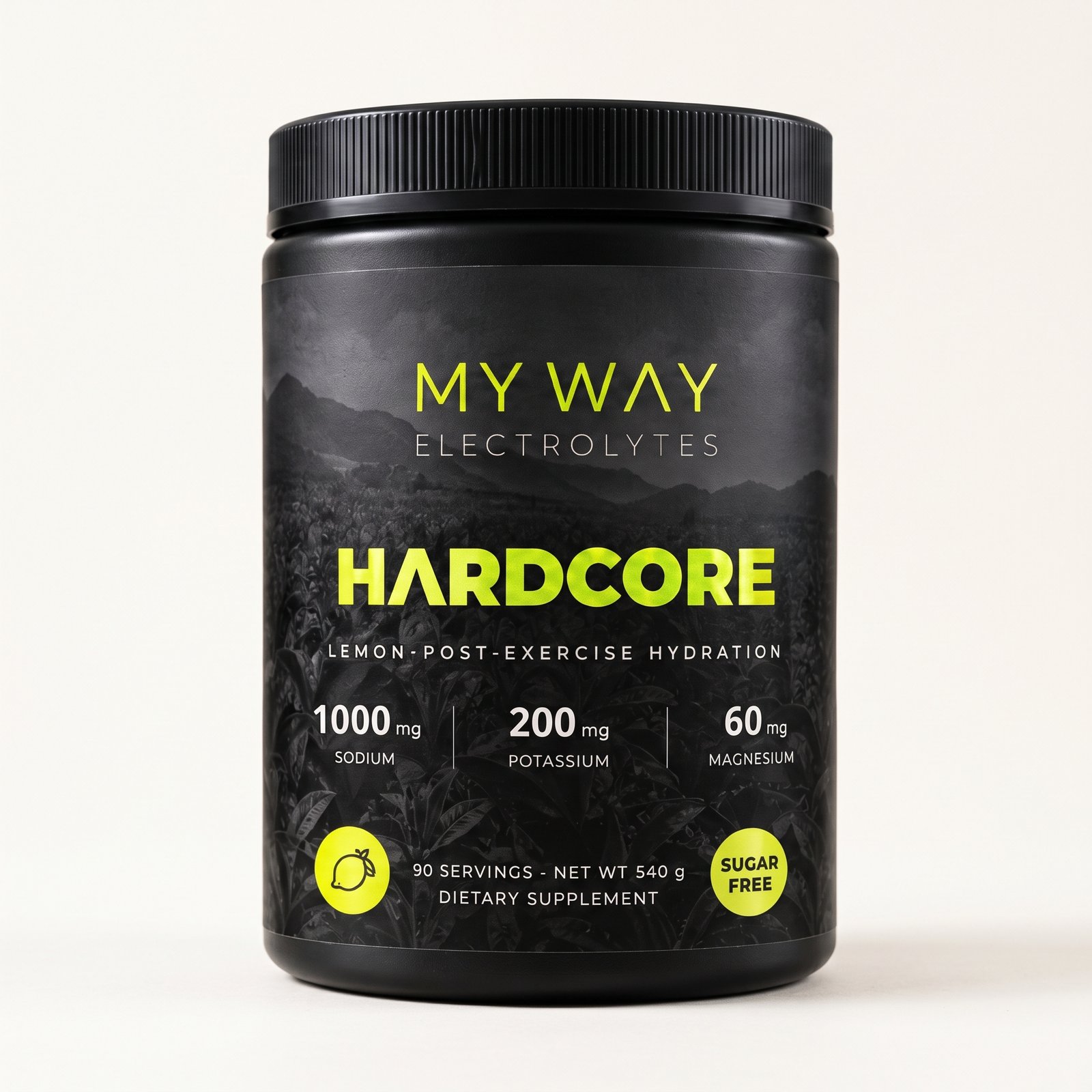
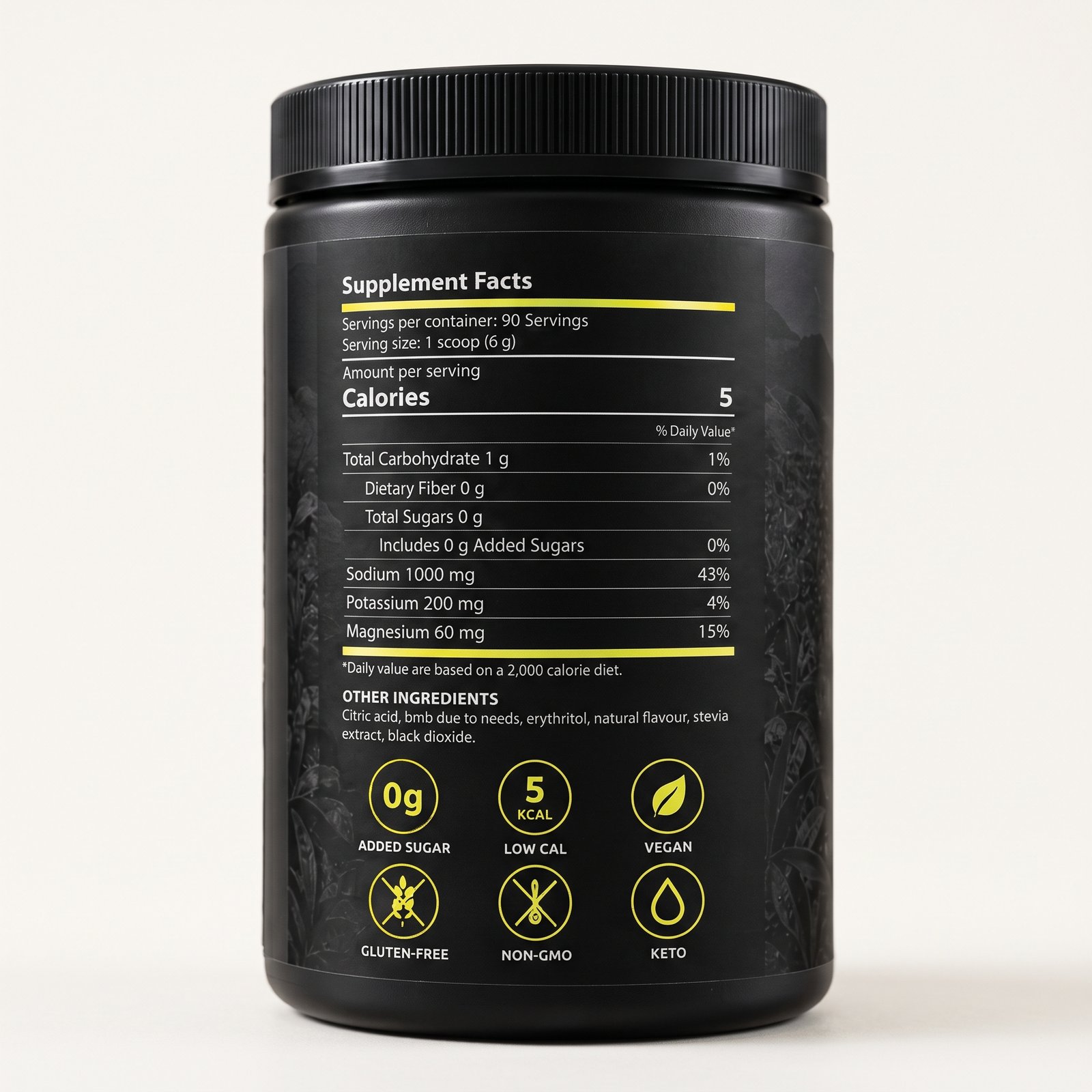
The line marks one serve of Hardcore: 1,000 mg of sodium. About 43% of the 2,300 mg daily value.
What about the tropics, the ocean, padel and pickleball?
Heat makes you sweat more, but people who live in it tend to sweat less salty. The tropical runners above lost about what the wider research would predict, and a study of professional soccer players in Colombia found their sweat less salty than earlier reports from other sports and climates. So the extra loss in the tropics comes mostly from how much you sweat, not how salty it is.
In the water, fluid loss has been measured but sweat sodium hasn't. Surfers usually lose about 0.5 to 0.6 litres an hour, less than most land sports, though elite surfers in wetsuits reached about 1.7 litres an hour. In 306 recreational surfers in San Diego, Costa Rica and Australia, longer sessions and higher body weight meant more loss, with the biggest deficits at high temperatures. At average sweat saltiness, surfing could cost somewhere around 400 to 1,400 mg of sodium an hour. That's an estimate, not a measurement. Padel and pickleball haven't been measured. Tennis is the closest sport we have, and that figure comes from an indoor court at about 17°C. Courts in Bali, Thailand or the Philippines are far hotter and more humid, so you'd expect to sweat more there, but we haven't put a number on it.
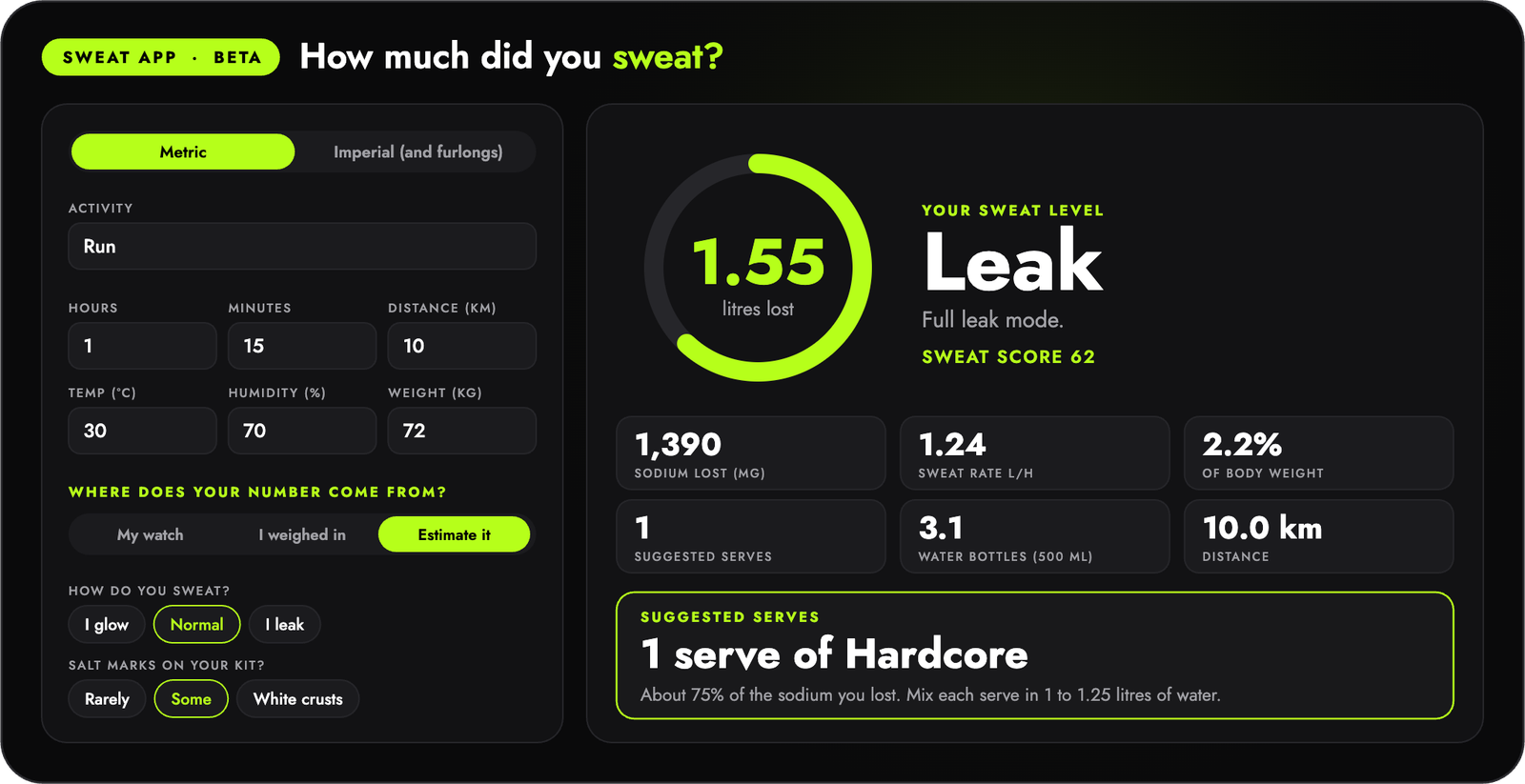
Your number depends on your heat, humidity and effort. The sweat app estimates yours.
We have not adjusted any figure for heat or humidity, because there is no published way to do that honestly. Group averages from Barnes et al. 2019 (1,303 athletes), Lott and Galloway 2011 (16 male tennis players, indoors at about 17 C, around 1.1 g of sodium over a 68-minute match) and Surapongchai et al. 2021 (tropical runners). Figures are per hour of measured practice or competition, not per hour of game clock, and athletes were tested in different conditions, so the sports are not a controlled comparison. Sodium converted from mmol at 23 mg per mmol. Averages hide big differences between individuals.
Sources
Barnes KA, Anderson ML, Stofan JR, et al. Normative data for sweating rate, sweat sodium concentration, and sweat sodium loss in athletes: an update and analysis by sport. Journal of Sports Sciences, 2019.
Baker LB, Barnes KA, Anderson ML, Passe DH, Stofan JR. Normative data for regional sweat sodium concentration and whole-body sweating rate in athletes. Journal of Sports Sciences, 2016.
Surapongchai J, Saengsirisuwan V, Rollo I, et al. Hydration status, fluid intake, sweat rate, and sweat sodium concentration in recreational tropical native runners. Nutrients, 2021; 13(4).
Evans GH, James LJ, Shirreffs SM, Maughan RJ. Optimizing the restoration and maintenance of fluid balance after exercise-induced dehydration. Journal of Applied Physiology, 2017; 122(4): 945-951.
Lott MJE, Galloway SD. Fluid balance and sodium losses during indoor tennis match play. International Journal of Sport Nutrition and Exercise Metabolism, 2011; 21(6).
Surfing fluid loss: Fluid balance in surfers: a scoping review (elite surfers in wetsuits, about 1.7 litres an hour); Hydration of male surfers during training in a subtropical environment (student thesis, about 0.5 litres an hour).
Sweat Rate, Sweat Sodium Losses, and Body Composition in Professional Male Soccer Players in Southwest Colombia. Medicina, 2024; 60(1): 113.
Fluid Loss in Recreational Surfers (254 men and 52 women in San Diego, Costa Rica and Australia). International Journal of Exercise Science, 2021; 14(6): 423-434.